
Armstrong ceilings with metal cassettes
Our own metal ceiling production
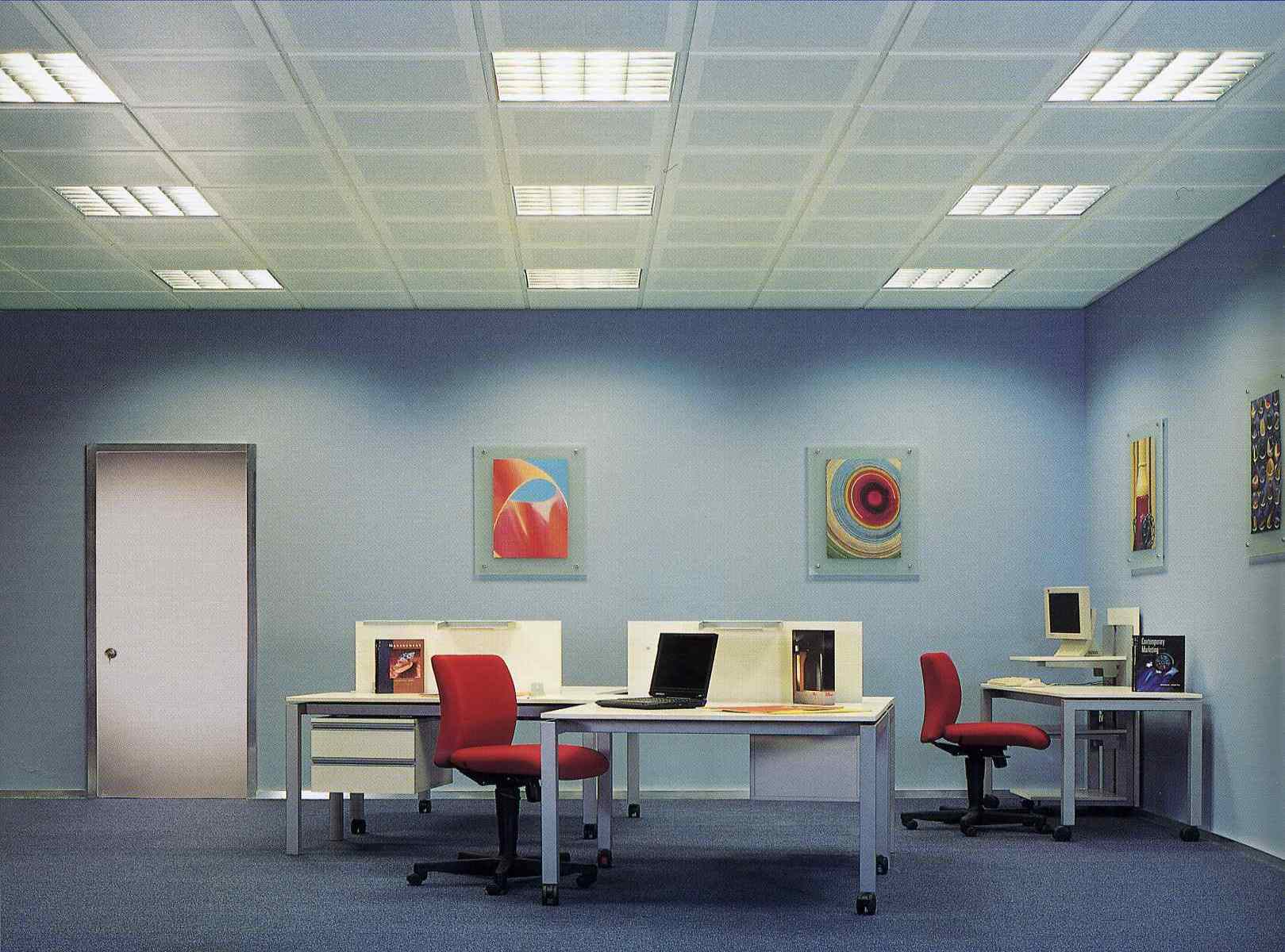
The same Armstrong suspended ceiling everyone knows, only the cells hold metal cassettes 600×600 and 600×1200 instead of brittle mineral tile. It looks familiar and lasts far longer.
We make the cassettes for your existing Armstrong grid or a new one. The profile, colour and perforation are matched to the specific space, whether that's an office, a clinic, a shop, a restaurant or a service corridor.
What it is
A metal cassette instead of mineral tile, in the same Armstrong grid
An Armstrong ceiling with metal cassettes is simple. The main grid and the whole layout stay the same; you just drop aluminium or galvanised-steel cassettes into the cells instead of pressed mineral tile.
The handy part is that nothing has to be torn out or rebuilt. A cassette lifts out just as easily to reach the wiring or ventilation, then goes back in place. The difference is that metal edges don't crumble, the surface can be perforated or painted any colour, and damp isn't a problem.
People usually come to us once mineral tile has already let them down. Something leaked and left a stain, tiles warped in a damp room, or the edges chipped where people keep reaching the utilities. Metal holds up for years in those conditions, which is why it ends up in corridors, kitchens and washrooms, cafés, shops, clinics and offices.
Why people pick metal
Why people fit a metal cassette instead of mineral tile
Stands up to damp and leaks
Once mineral tile gets wet it stains or sags and has to be replaced. A metal cassette shrugs off wet cleaning and the odd leak, so it's right at home in washrooms, kitchens and corridors.
Easy access to the utilities
Any cassette comes out when you need to reach ventilation, wiring or sensors, then goes straight back. The edge doesn't crumble, and after the work the ceiling looks just as tidy as before.
Looks more premium than ordinary tile
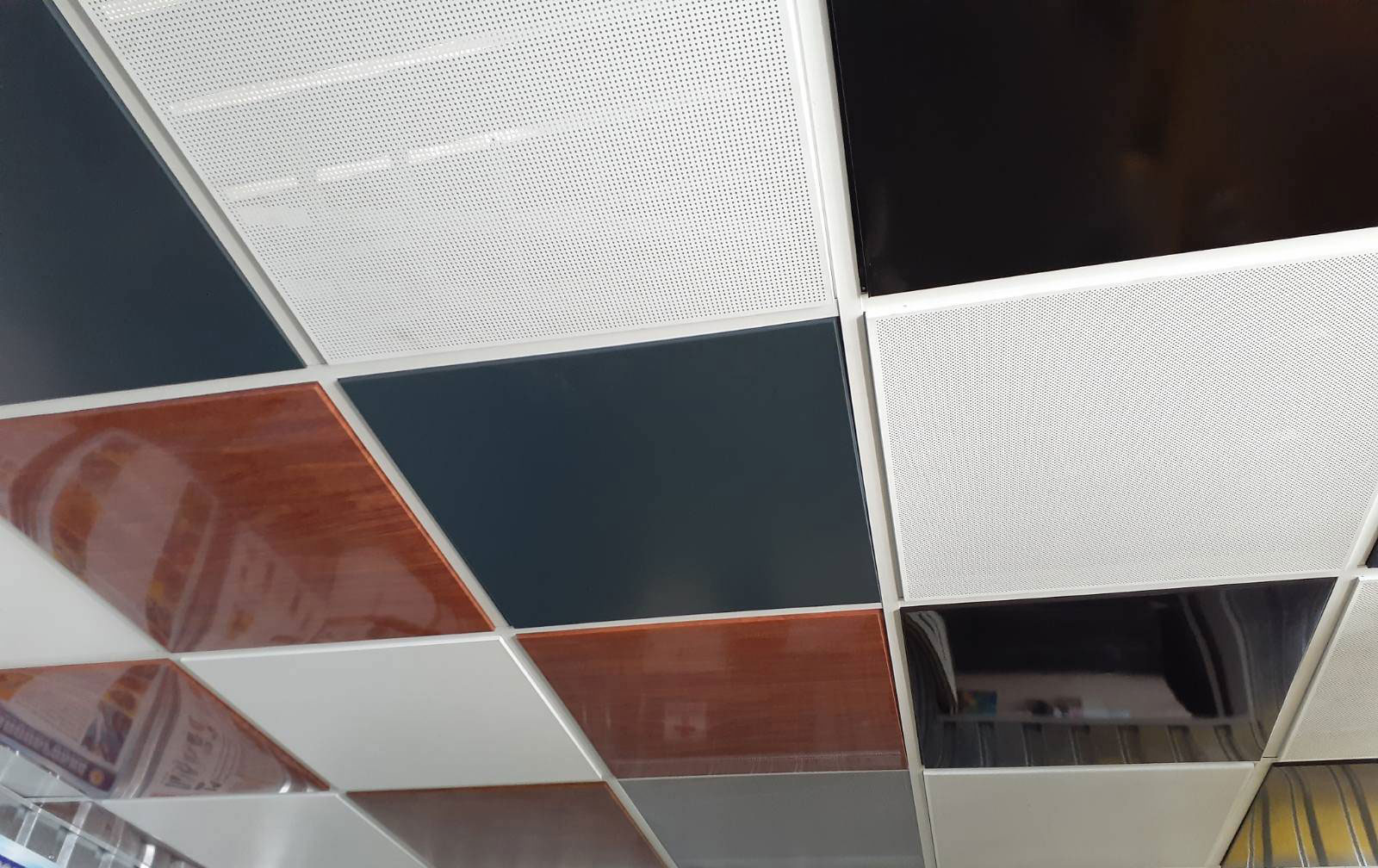
Besides standard white, cassettes come in graphite, black, metallic, wood-look or any RAL shade. The ceiling stops being a plain white background and starts adding to the interior.
Easier to keep clean
Metal doesn't hold odours and wipes clean easily, which can't be said for fibrous tile. For food venues, shops and medical rooms that's often the deciding factor.
Add perforation and acoustics
If a room is noisy, the cassettes can be perforated with an acoustic layer added. That suits meeting rooms, open-plan offices and classrooms. We pick the exact specs for the task.
The whole ceiling from one maker
We handle the cassettes, profile, hangers, trim, lights and installation, so you don't have to piece the ceiling together from different suppliers.
What it really costs
Costs more than mineral tile up front, but easier to run
If you keep opening the ceiling, washing it or swapping individual tiles, the initial saving on ordinary Armstrong is eaten up fast.
Metal makes sense where a space works every day and stays in front of the customer. A reception shouldn't look neglected, a corridor is no place for streaks, and in a restaurant or clinic no one wants tile overhead that's about to crumble.
So a cassette ceiling is worth judging not by the price of one tile, but by how many years it lasts without repairs and how often it gives you quick access to the utilities.
Armstrong, metal or cassette
How an Armstrong metal cassette differs from ordinary tile and a separate cassette system
| Criterion | Ordinary Armstrong | SteliPro metal cassettes | A separate cassette system |
|---|---|---|---|
| The gist | A budget suspended ceiling made of mineral tile. | Metal cassettes in a regular Armstrong grid. | A standalone metal system with its own profile and mounting logic. |
| When it fits | When you want the cheapest option for the short term. | When you want to keep the Armstrong grid but drop the mineral tile. | When the ceiling is designed from scratch as a separate system. |
| Compatibility | Standard 600×600 or 600×1200 cells. | 600×600 cassettes for the Armstrong grid; 600×1200 and the fit are confirmed per site. | Size and fixing depend on the specific system. |
| Damp and odours | Tile soaks up damp and odours and loses its look over time. | Metal isn't bothered by damp and holds no odours. | Also metal, but doesn't always fit an existing Armstrong grid. |
| Colour | Mostly white. | White, graphite, black, metallic, wood-look, any RAL. | Plenty of options, but a different mounting system. |
| Installation | The familiar Armstrong suspended system. | Into a T15 or T24 profile after checking the grid. | By the rules of the specific cassette system. |
Colours and options
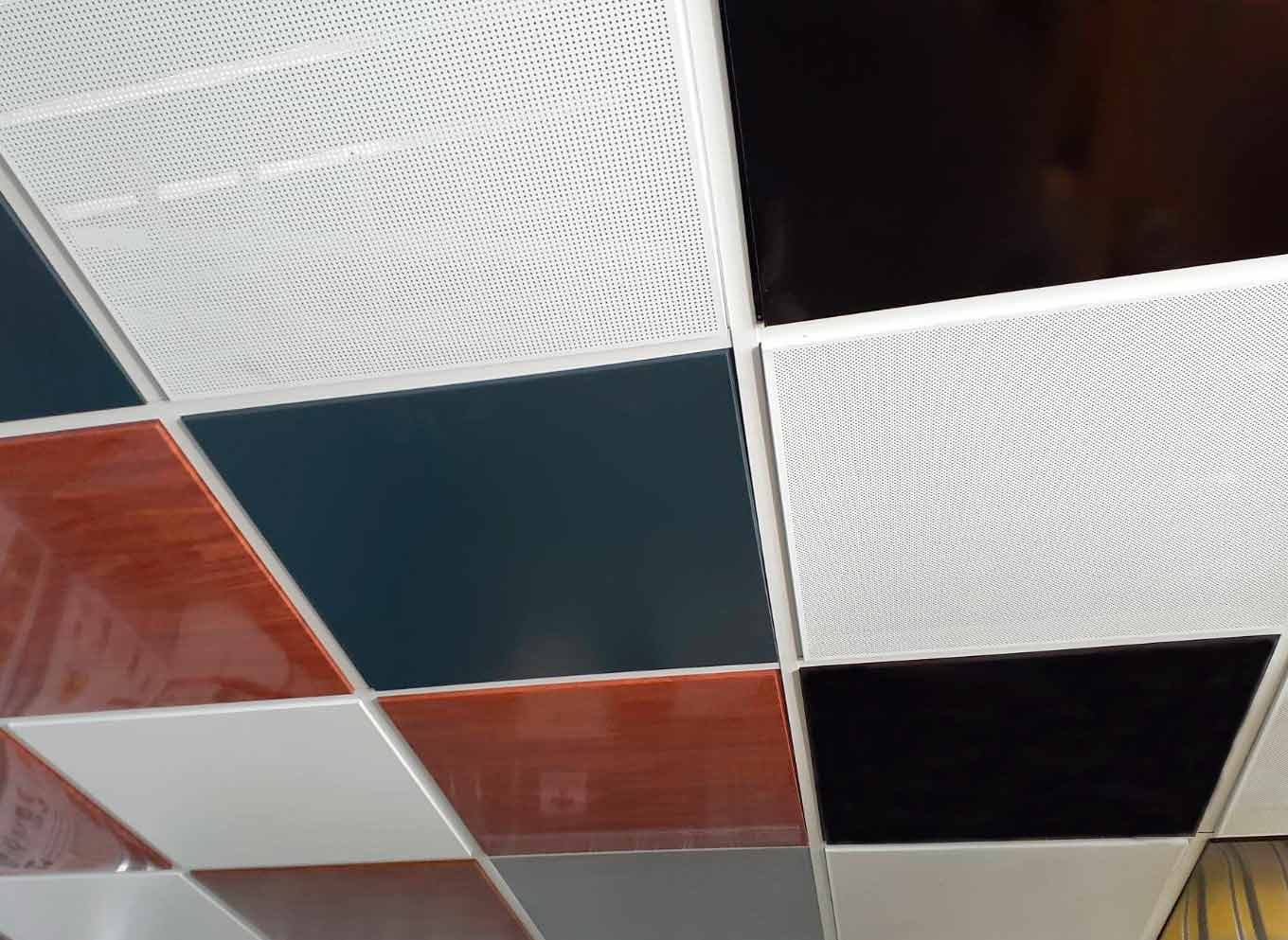
One cassette size, different looks for your interior
White ceiling
For offices, corridors, admin and medical rooms that need a calm, bright space.
Graphite or black
For showrooms, bars, cafés and modern offices where a dark ceiling sets the mood.
RAL or brand colour
For chains, receptions and sales floors where the ceiling supports the brand identity.
Perforation
When cutting noise matters: perforation plus an acoustic layer. We pick the hole pattern and sound absorption to suit the room.
Where it fits
Where Armstrong metal cassettes work best
Offices and business centres
You can refresh the ceiling without a major renovation and reach the services and ventilation any time.
Healthcare
Receptions, corridors and consulting rooms that are cleaned daily and need to look neat.
HoReCa
Kitchens and dining areas with steam, extraction hoods, frequent washing and regular access to the engineering.
Shops and malls
Sales floors, showrooms and walkways where the ceiling shapes the shopper's first impression.
Corridors
High-traffic spots where tiles often get knocked during maintenance.
Service rooms
Where you need constant access to ventilation, cables, sensors and hatches without damaging the ceiling.
What's included
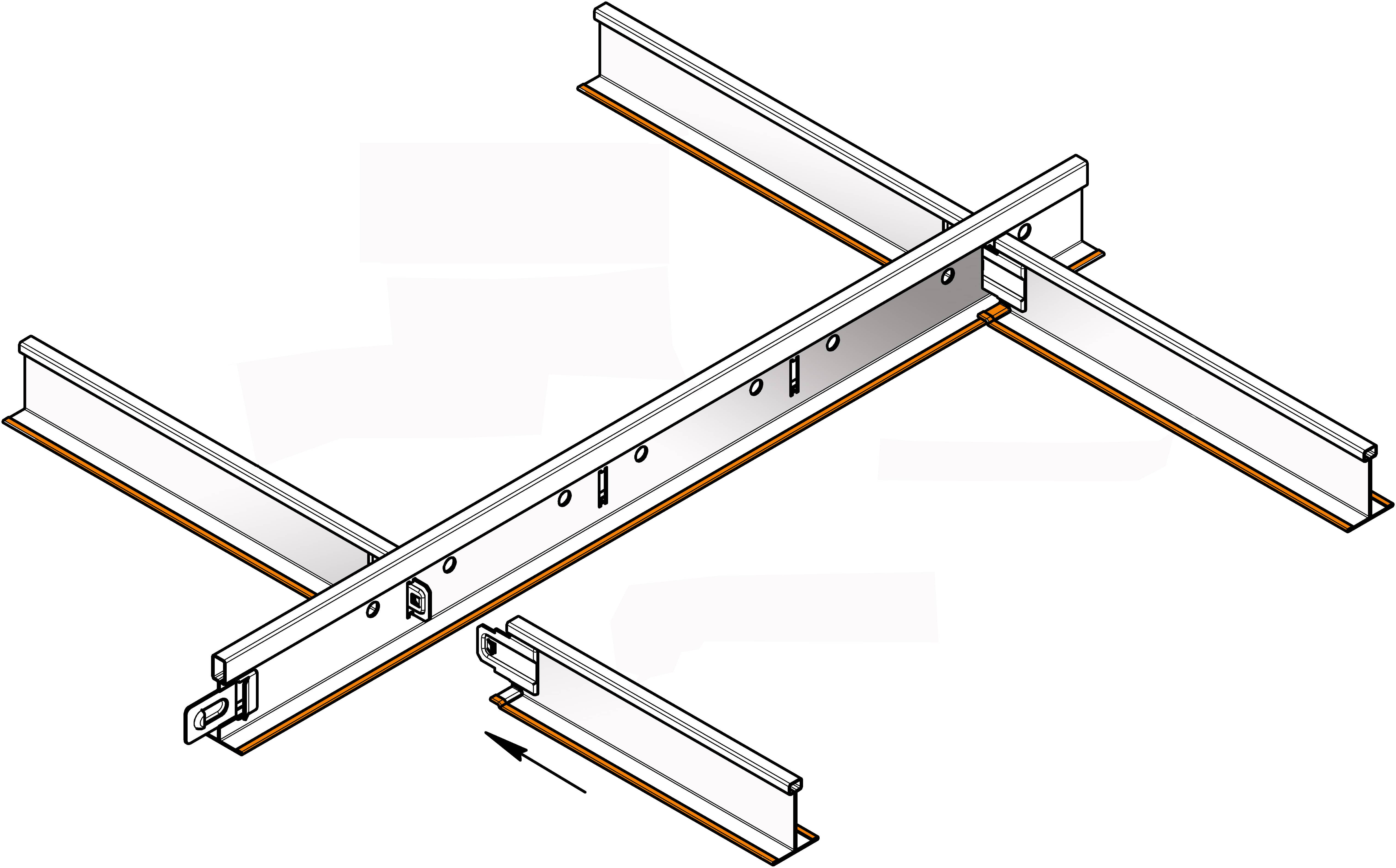
What an Armstrong cassette ceiling is made of
| Name | Metal cassettes for an Armstrong-type suspended ceiling. |
| Cassette size | 600×600 mm and 600×1200 mm; other sizes confirmed per site. |
| Material | Aluminium or galvanised steel with a protective decorative coating. |
| Profile | T15 / T24, main and cross rails, hangers, perimeter angle. |
| Colour | White, grey, graphite, black, metallic, wood-look, any RAL to order. |
| Options | Perforation, an acoustic layer, cut-outs for lights, ventilation, sensors and hatches. |
| Installation | Replacing tiles in an existing level grid, or a full new-ceiling kit. |
How we work
First we look at your ceiling, then we price it
Often bought together
What you might need alongside the cassettes
Our work
SteliPro sites with metal suspended ceilings
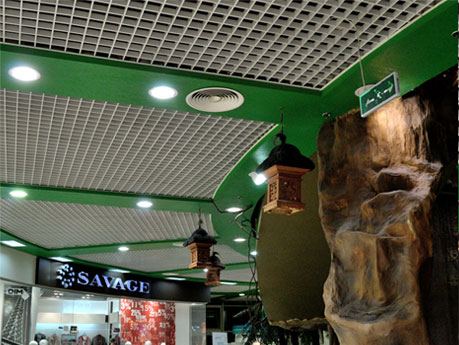
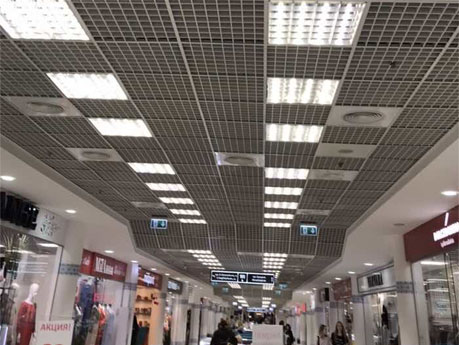
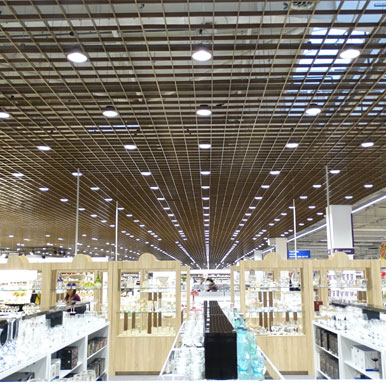
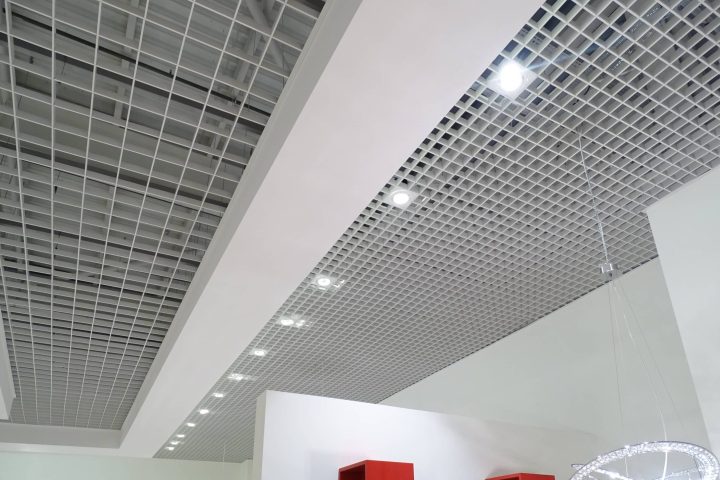
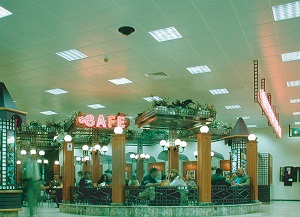
These photos show our work with metal ceilings: sales floors, offices, junctions and installation. With Armstrong cassettes the approach is the same: we match the system to the site, keep the look clean and agree every detail before production.
FAQ
What people usually ask before ordering
Can you swap just the tiles, without touching the grid?
Yes, if the grid is level, intact and suits the cassette size you need. Before production we check the profile type, the grid pitch and the real state of the system.
How is this different from a cassette ceiling?
A separate cassette ceiling is a standalone system with its own profile. Armstrong cassettes, by contrast, are made for the standard 600×600 or 600×1200 grid, for when you want to replace mineral tile but keep the familiar ceiling.
Are there 600×600 cassettes for Armstrong?
Yes, that's the most common size for exactly this case. Other formats we look at after checking the grid and the site's requirements.
Can you add perforation and acoustics?
Yes, per project. The perforation type, the acoustic layer and the sound requirements are agreed before production.
What about lights and ventilation?
It's best to allow for lights, grilles, sensors and adapters in the layout from the start, so the cassettes are made to fit the real fittings.
How do I find out the exact price?
Send the area, a photo or plan of the ceiling, the type of profile you have and your colour preference, and we'll work out the cost.